
Understanding Stroke
Stroke occurs when blood flow to the brain is interrupted, either due to a blocked artery or a ruptured blood vessel. The two main types of stroke are ischemic, caused by a clot obstructing blood flow, and hemorrhagic, resulting from bleeding in the brain. A transient ischemic attack, often called a mini-stroke, may signal an impending full stroke. The brain requires a constant supply of oxygen and nutrients, and even brief interruptions can damage brain cells, affecting movement, speech, and cognition. Risk factors include high blood pressure, diabetes, smoking, high cholesterol, and genetic predisposition. Early recognition of stroke symptoms is critical for survival and minimizing long-term damage. Symptoms such as sudden facial drooping, arm weakness, difficulty speaking, and loss of coordination should trigger immediate medical attention.
Immediate Response and Medical Intervention
Acting quickly during a stroke can significantly influence recovery outcomes. The FAST acronym – Face drooping, Arm weakness, Speech difficulty, and Time to call emergency services – helps identify stroke symptoms promptly. Emergency treatments aim to restore blood flow and prevent further brain injury. For ischemic strokes, clot-busting medications such as tPA can dissolve clots if administered within a specific time frame. Mechanical thrombectomy may be performed to physically remove a clot in severe cases. Hemorrhagic strokes may require surgical intervention to repair ruptured blood vessels or relieve pressure on the brain. Neurologists and stroke specialists play a key role in assessing patients and determining the most effective treatment plan.
Rehabilitation and Recovery
Recovery after a stroke is a multifaceted process that addresses physical, cognitive, and emotional needs. Physical therapy focuses on regaining strength, balance, and mobility to restore independence in daily activities. Occupational therapy helps patients relearn essential tasks such as dressing, cooking, and using adaptive devices. Speech and language therapy supports individuals experiencing difficulty communicating or swallowing. Cognitive rehabilitation targets memory, attention, and problem-solving skills affected by stroke. Emotional and psychological support is equally important, as depression and anxiety are common after a stroke. Recovery timelines vary depending on stroke severity and individual health factors, making personalized rehabilitation programs crucial. Consistency in therapy and support from healthcare professionals significantly improves long-term outcomes.
Long-Term Stroke Care Management
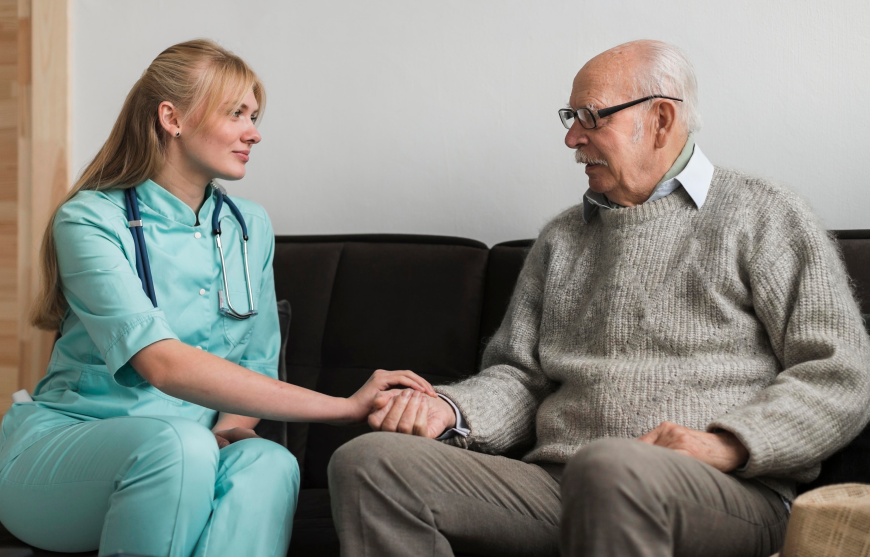
Stroke care extends beyond hospital treatment, emphasizing ongoing support to maintain health and prevent recurrence. Patients may require home-based care or admission to specialized stroke rehabilitation centers, depending on their needs. Personalized care plans typically include medication management, regular check-ups, and monitoring for risk factors such as high blood pressure. Nutrition plays a vital role, and diets rich in fruits, vegetables, lean proteins, and whole grains can promote recovery. Lifestyle changes, including regular physical activity, smoking cessation, and limited alcohol intake, are essential for long-term wellness. Monitoring for complications such as blood clots, infections, or recurrent strokes ensures timely intervention. Family involvement in care planning helps create a supportive environment that fosters independence and safety.
Support for Families and Caregivers
Families and caregivers play an integral role in the recovery process, often providing physical assistance, emotional support, and medical monitoring. Understanding the caregiver’s responsibilities and challenges is vital to prevent burnout and stress. Training and educational resources can equip caregivers with techniques for safe patient handling, therapy exercises, and emergency response. Emotional support for both caregivers and stroke survivors improves mental well-being and strengthens relationships. Community support groups provide guidance, encouragement, and networking opportunities with others facing similar challenges. Effective communication with healthcare professionals ensures that care strategies are current and tailored to the patient’s evolving needs. Caregivers are encouraged to prioritize self-care to sustain their ability to provide consistent and compassionate care.
Advanced Stroke Care Technologies
Technology is transforming stroke care by enhancing recovery and monitoring capabilities. Telemedicine allows patients to access specialists remotely, ensuring timely medical advice and follow-up care. Robotic-assisted rehabilitation devices help patients perform precise, repetitive movements that improve mobility and strength. Virtual reality therapy offers engaging and immersive exercises to enhance cognitive and physical rehabilitation. Wearable devices track vital signs, detect abnormal activity, and alert caregivers or medical professionals to potential issues. Mobile apps can guide patients through rehabilitation exercises, medication schedules, and lifestyle management plans. Innovative technologies are bridging gaps in care, especially for individuals in remote or underserved areas. Integrating these tools into traditional therapy can accelerate recovery and improve quality of life.
Preventive Measures and Risk Reduction
Preventing a second stroke or reducing overall risk is a core component of stroke care. Lifestyle modifications are critical, including adopting a heart-healthy diet, engaging in regular exercise, and maintaining a healthy weight. Managing chronic conditions such as hypertension, diabetes, and high cholesterol reduces the likelihood of another stroke. Avoiding tobacco and limiting alcohol intake further decrease risk factors. Routine medical check-ups, including blood pressure and cholesterol monitoring, ensure early detection of potential problems. Stress management techniques, such as mindfulness, meditation, and counseling, support overall health and well-being. Educating patients and families about stroke risk and preventive strategies fosters proactive, long-term health management. Consistent attention to prevention empowers survivors to take control of their health journey.
Frequently Asked Questions
What is the difference between an ischemic and hemorrhagic stroke?
Ischemic strokes occur due to blood clots blocking arteries, while hemorrhagic strokes result from bleeding in the brain. Both affect brain function but require different treatment approaches.
How soon should a stroke patient receive treatment?
Treatment is most effective when administered immediately. The first few hours after stroke onset are critical to reduce brain damage and improve recovery.
What types of therapy are most effective after a stroke?
Physical, occupational, speech, and cognitive therapies are commonly used. A combination tailored to the patient’s needs offers the best outcomes.
Can stroke patients fully recover?
Recovery varies depending on stroke severity, location in the brain, and individual health factors. Many patients regain significant function, but some may experience lasting impairments.
How can family members support stroke recovery at home?
Support includes assisting with exercises, helping with daily activities, providing emotional encouragement, and maintaining a safe home environment.
Are there medications that prevent another stroke?
Yes, medications such as blood thinners, antihypertensives, and cholesterol-lowering drugs are often prescribed to reduce the risk of recurrence.
How does stroke affect mental health and emotional well-being?
Stroke can lead to depression, anxiety, and mood swings. Emotional support, therapy, and counseling help manage these challenges effectively.
Takeaway
Effective stroke care is a holistic approach encompassing emergency treatment, rehabilitation, long-term management, and preventive strategies. Combining medical intervention with physical, cognitive, and emotional support optimizes recovery and enhances quality of life. Families and caregivers play a vital role in providing care, while advanced technologies and personalized rehabilitation programs accelerate progress. By focusing on prevention, monitoring, and healthy lifestyle choices, stroke survivors can reduce the risk of recurrence and regain independence. Knowledge, timely intervention, and compassionate support form the cornerstone of comprehensive stroke care.